Prioritize Process, Not Perfection

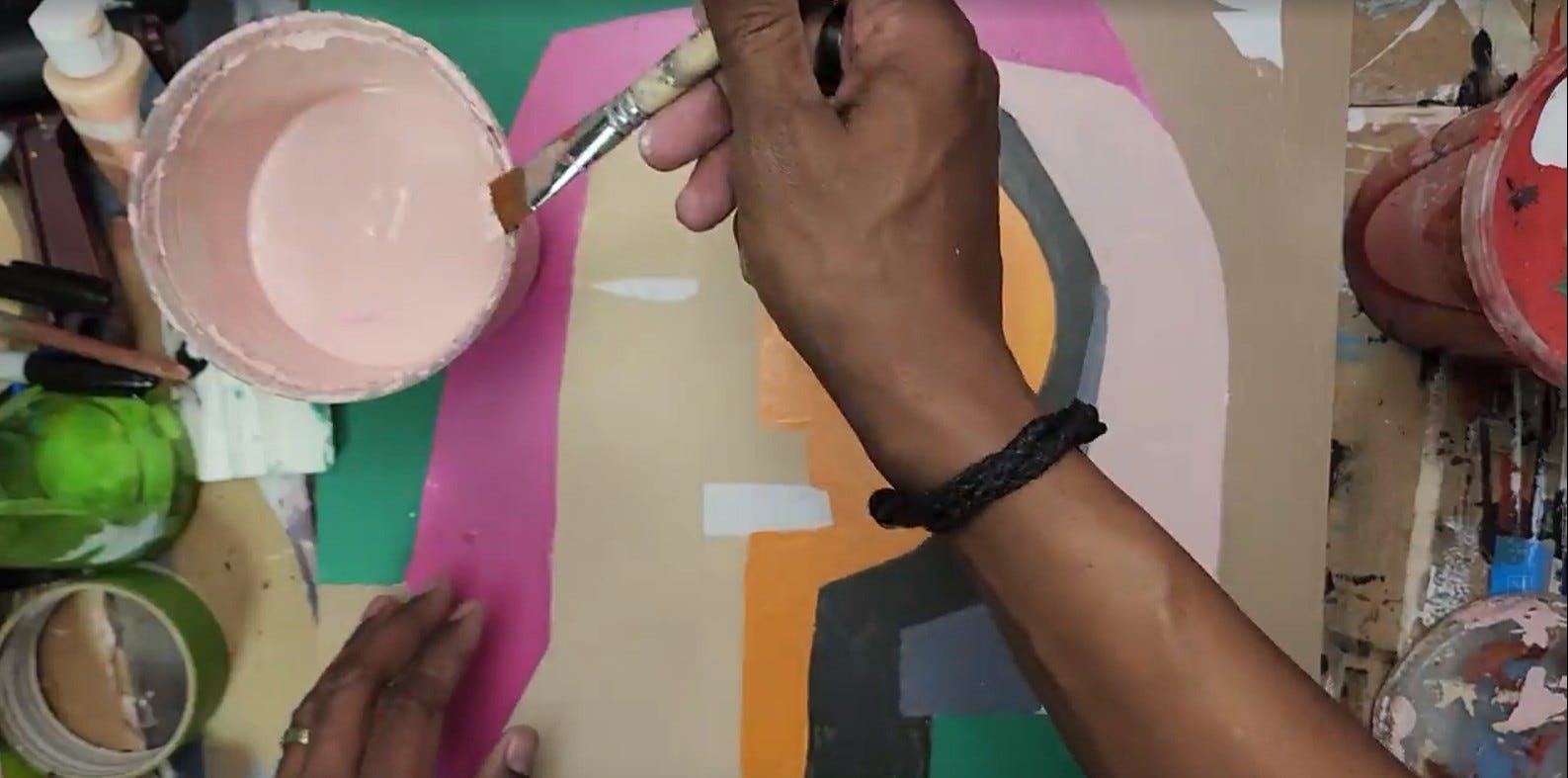
When artists engage in the work, there’s usually a form of pressure to conceptualize novel ideas. Seldom is the act of painting, writing, composing or whatever we pursue, thought of as a great accomplishment. We often value the product over the process. We dream of writing a Pulitzer Prize novel, composing a Grammy Award winning song or painting the next Mona Lisa. The problem is we often don’t understand how to get there.
They’re all worthy ambitions, but you need a reliable process to pull them off. A system which keeps you consistent and encourages experimentation. James Clear, the author of the book Atomic Habits, puts it this way. “You do not rise to the level of your goals. You fall to the level of your systems.”
You have a greater chance of reaching your goal when you have a system that keeps the engine running.
You can dream all day long. However, thinking is not what brings fulfillment. It’s the action you take, even the smallest steps that transport you towards your heart’s desires. Our social systems teach us to plan. They are not wrong; the problem is too many of us get stuck in a perpetual state of preparation and never get to the doing part.
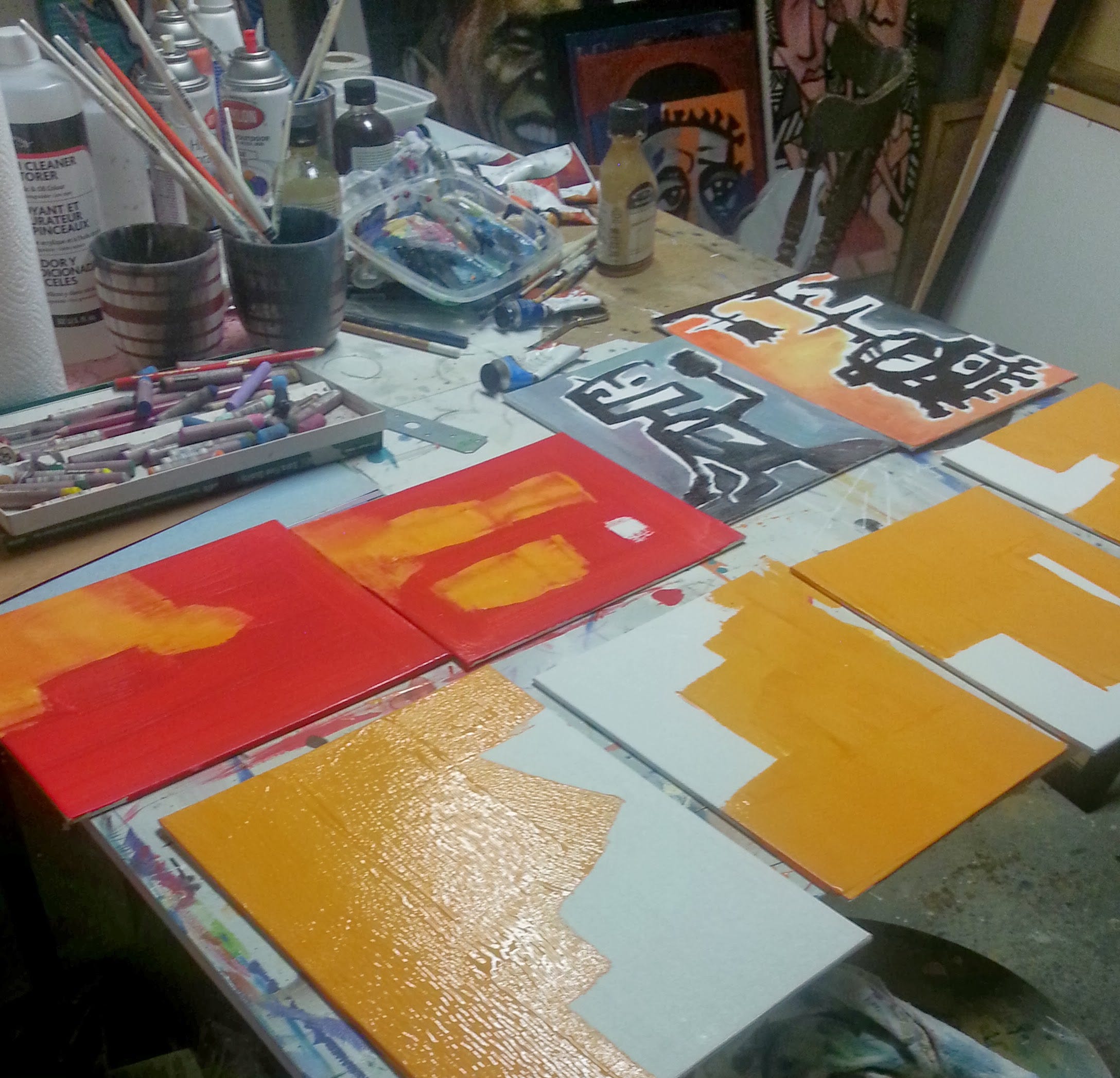
I’ve been there. I’d study, plan, and visualize. Then wait for the perfect time to act. I’d tell myself I needed to learn more, understand more clearly, then I would start. I became exceptionally good at making excuses for delaying my plans. I used my energy to create convincing stories that justified my delayed action. This is a self-defeating mindset that feels productive but is dangerous. It causes you to hide behind theory and prioritizes caution. It does not give your body the experience of motion in the skill you want to master.
You can think, dream, and affirm all day until Sunday. However, if you don’t act, you will remain on the starting line no matter how polished or detailed your plan.
While others are sprinting forward you will remain stuck. It’s not the quality of your plan that matters most, it’s the consistency of your actions. It’s very important that you not underestimate the power of the smallest changes in your habits and behavior. The Science on what I’m suggesting is compelling. James Clear of Atomic Habits also had this to say about creating habits which produce enormous outcomes in our lives.
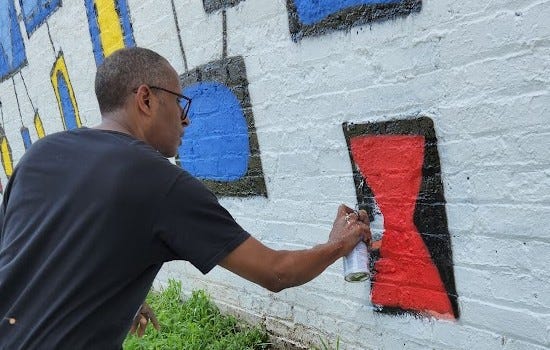
To form habits that last, use these four cues to help set them up. Make them obvious, attractive, easy, and satisfying. To get out of thinking and into doing you are going to need something more powerful than willpower. You need a change of behavior, and discipline until you can get the action automatic. Let’s break down the four cues mentioned above.
Make it Obvious: Place the thing you want to do in plain sight. Don’t hide it. You want to read a book before you go to bed? Put the book right on top of your pillow. You want to exercise? Put your gym clothes in plain sight. Want to eat healthy? Place healthy foods or snacks in the most visible places in your fridge or counter.
Make it Attractive: remove all resistance that may delay you from getting to work by pairing another habit you love to do with the one you need to do. For example, you need to sit down and write a chapter for your book, why not brew yourself a cup of your favorite coffee or tea? This is what the author refers to as habit stacking which is an effective strategy to move you to action.
Make it Easy: Don’t create friction. Make the activity so simple to do that it will be difficult to protest. Let’s say you want to do some push ups, great. Start out just by doing one or two. Eventually you will naturally add more. Reduce the steps you need to start a task by having any materials you need to perform the task ready and accessible.
Make it Satisfying: Attach a reward to the activity. Even if it’s checking off a box on your to-do-list. You will have a sense of accomplishment which will encourage you to continue. Science shows the human brain prefers immediate rewards over delayed gratification. You will get a quick hit of Dopamine from something as simple as checking off a box on a list and you train your brain to look for more of the same in the future.
Now that you have a structured approach to building productive habits let’s circle back to an idea often missed when putting this into practice. Taking small steps will help you cement the habit you want to implement and give you greater success in making it consistent. When starting a new habit, it’s good practice to ease into it. Make it so easy to do that there will be no friction in carrying it out.
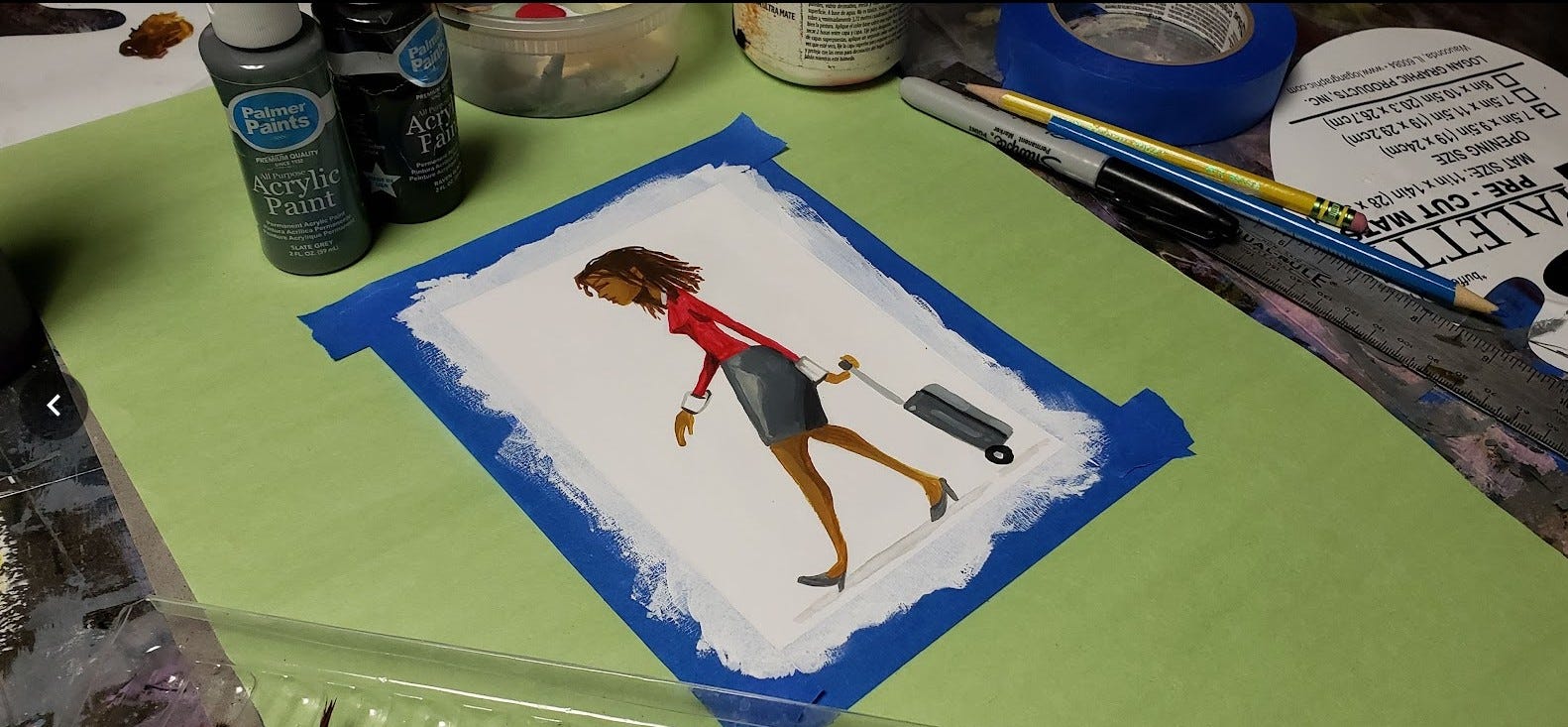
If your goal is one hundred push ups, don’t start out trying to do fifty. Start with five, and if five is a challenge do just one. The idea is to familiarize your mind and body with the movement not the outcome. One push up a day is better than twenty-five once a week. The goal is consistency, not perfection. If you can translate this idea into your creative practice, your progress will be steady, and you’ll build a solid work ethic that produces results.
The mistake we make, which I too have been guilty of, is setting goals my mind and body wasn’t conditioned for. You may want to run a marathon but if your body cannot manage one mile you will likely set yourself up for failure. Maybe you want to sketch everyday but filling a page in your book is a challenge. Reduce the scope and scale of the task. Instead, make a simple doodle. The focus is not about doing something great but doing something period. As time goes by, you’ll begin to progress and do more naturally.
Steve Green
This affirmed what I have started to do with creating art. It has brought the fun into it and taken out perfection and inhibition. This is overflowing into my life as it shifted dramatically last year with the death of my mother and a dear friend. I am taking the time and small steps to create a new way of being and new habits.
Hey Steve thanks for this. I’m trying to change my work habits. “Work” for the last 40 years has meant getting up & sitting at a computer, doing research, writing, having meetings. I had systems. They worked. I loved that work. But I was forced to close that business last year & I decided to do something completely different. Now “work” means being in my studio, leading therapeutic arts groups, & creating community. There’s still some computer time & meetings but it’s been challenging breaking the habit of starting the day at the computer. And then the day is gone. This was a great reminder on how I set up the habits and systems for my previous work & that I need to remake those habits. I’ll start today.